
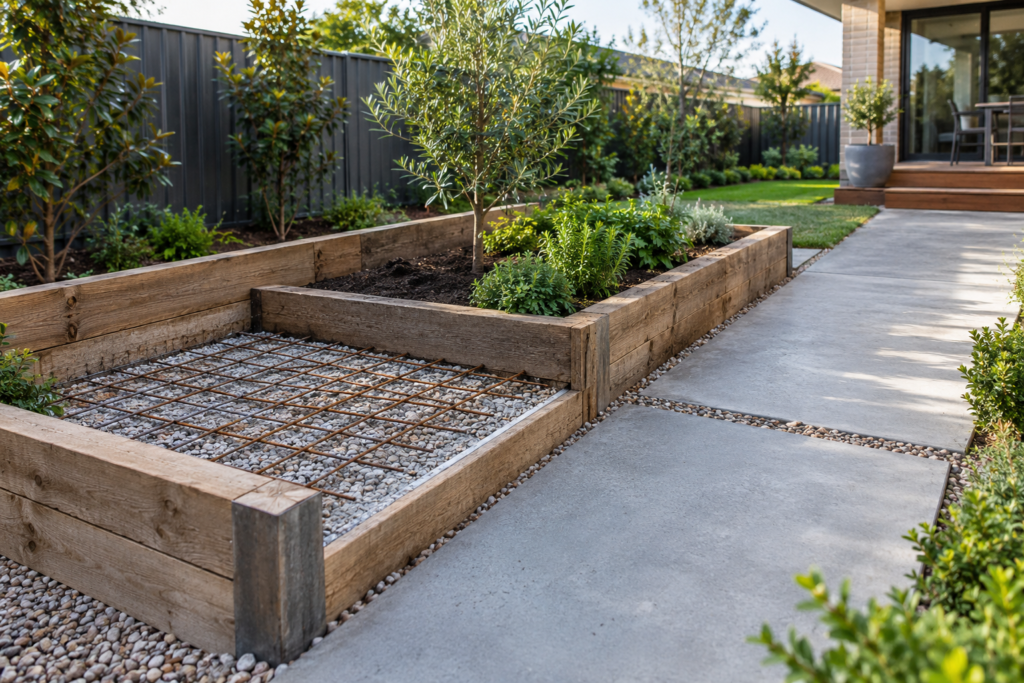
Well-designed landscaping often begins with dependable materials such as railway sleepers, which can define garden beds, pathways and changes in ground level. The success of these features depends on careful planning rather than appearance alone. For paved areas, footings and small structural projects, ready mix concrete provides a practical way to achieve a consistent result. Drainage, soil movement and expected loads must also be considered before construction begins. Where additional structural strength is required, reinforcing steel can help concrete resist tension and reduce the likelihood of cracking.
A garden renovation can involve much more than selecting plants. Retaining edges, steps, paths, slabs and raised beds all influence how the space functions over time. When these elements are planned together, the finished garden is more likely to remain safe, stable and easy to maintain.
Start with the Purpose of the Space
Before materials are ordered, it helps to decide exactly how each part of the garden will be used. A decorative garden border has different requirements from a retaining wall, driveway edge or slab supporting heavy equipment.
The expected load is an important consideration. A low raised bed holding loose soil may need only a simple edge, while a structure managing a significant change in ground level requires more careful design. Areas exposed to vehicles, water tanks or outdoor structures may also need stronger foundations.
Access should be considered at the same stage. Narrow side passages, sloping blocks and established planting can make it difficult to move heavy materials into position. Planning delivery and construction access early can prevent delays and reduce unnecessary handling.
It is also worth marking underground services before excavation begins. Water pipes, drainage lines, electrical cables and irrigation systems may pass through areas that appear clear from the surface.
Create Stable Garden Edges
Sleepers are commonly used to form raised beds, steps and retaining edges because they create strong lines and suit many garden styles. Their long shape allows them to span practical distances without requiring numerous joins.
The ground beneath them should be level and compacted. Placing materials directly onto soft or uneven soil can lead to movement as the ground settles. For taller installations, secure posts or other supports may be needed to keep each section upright.
Material choice will affect durability and maintenance. Treated timber provides a natural appearance, while concrete alternatives can offer resistance to rot, termites and moisture. The best option depends on the desired look, local conditions and intended lifespan.
Any structure holding back soil also needs drainage. Water pressure can build behind an edge after rain, gradually pushing it out of alignment. Free-draining gravel, suitable drainage pipe and correctly placed outlets can help water escape instead of collecting behind the structure.
Prepare Concrete Projects Properly
Concrete is useful for garden paths, shed slabs, post footings, steps and small entertaining areas. Although the material is strong once cured, its performance depends heavily on the preparation beneath it.
The base should be excavated to an appropriate depth, compacted and shaped so the finished surface directs water away from buildings. Pouring over loose soil can cause uneven settlement, while poor surface levels may allow puddles to form.
Formwork must be secure enough to hold the wet mixture in place. It should be checked for alignment, dimensions and finished height before pouring begins. Making adjustments while the material is being placed is far more difficult.
Weather conditions can also affect the result. Very hot or windy weather may cause the surface to dry too quickly, while heavy rain can damage newly placed material. Scheduling the work for suitable conditions makes placement and finishing easier.
The mixture should not be weakened with unnecessary water. Although adding water can make it easier to move, too much may reduce the final strength and increase shrinkage. Following the product directions helps preserve the intended consistency and performance.
Understand the Role of Internal Support
Concrete performs well under compression but is less effective when subjected to tension. Internal steel support helps distribute forces through slabs, footings and other structural elements.
The steel must be positioned correctly within the pour. If it rests directly on the ground, it may not provide the intended support and can be more vulnerable to moisture. Bar chairs or appropriate spacers are commonly used to hold it at the required height.
The amount and arrangement needed will depend on the size and purpose of the project. A light garden path will not have the same requirements as a driveway or structural footing. Where a project carries substantial loads or supports a permanent structure, professional advice may be necessary.
Correct placement is just as important as selecting the material. Poorly positioned mesh or bars cannot compensate for an unstable base, unsuitable mixture or inadequate slab thickness.
Plan for Water Movement
Water is one of the most influential factors in outdoor construction. It can erode soil, soften foundations, increase pressure behind retaining structures and cause paved areas to settle.
Every landscaping project should consider where rainwater will come from and where it will go. Roof downpipes, neighbouring slopes and hard surfaces can direct significant volumes of water into a small area.
Paths and slabs generally need a slight fall so water moves towards an appropriate outlet. Garden beds should drain without sending soil across nearby surfaces. Retaining structures may require dedicated drainage to prevent water from collecting behind them.
Drainage should be planned before construction rather than added after a problem develops. Retrofitting pipes or outlets often requires sections of completed work to be removed.
Allow Enough Time for Curing
New concrete may look solid soon after it has been placed, but it continues gaining strength over time. Loading it too early can damage edges, mark the surface or create cracks.
Curing helps the material retain enough moisture for the strength-development process. The method and duration will depend on the product, weather and project type. Manufacturer instructions should always guide this stage.
Garden edges and retaining features also benefit from patience. Backfilling too quickly can place pressure on posts, footings or fresh concrete before they are ready. Allowing each component to stabilise reduces the risk of movement.
Build for Long-Term Performance
Successful garden construction combines visual design with practical preparation. Strong materials alone cannot overcome poor drainage, weak foundations or rushed installation.
Planning dimensions, access, loads and water movement before work starts makes it easier to choose suitable materials and quantities. It also reduces waste and helps avoid costly corrections later.
Regular inspection will keep completed features in better condition. Early signs of movement, blocked drainage or surface damage should be addressed before they become larger problems. With thoughtful material choices, sound foundations and careful construction, outdoor improvements can deliver lasting results.